
Blog
The Best and Worst Booze to Drink if You Want to Lose Weight

1 to 2 alcoholic beverages in a day should be able to be burned off by your body before they lead to weight gain. Although there is evidence to suggest that frequent alcohol intake may predispose to weight gain or obesity over the long-term, this effect is not strongly reflected in the recent research. First, it has been found that alcohol intake increases energy expenditure, likely due in part to the fact that it has a high thermogenic effect 53. It has also been suggested that some of the energy ingested as alcohol is ‘wasted’, due to the activation of the inefficient hepatic microsomal ethanol-oxidizing system (MEOS). The MEOS is induced through chronic alcohol intake, and the level of induction increases with increased intake 54, 67. Oxidation of drug addiction treatment alcohol via the MEOS produces less ATP than oxidation via alcohol dehydrogenase, using the energy from alcohol intake primarily to enhance heat production 37, 54.
What is light, moderate, and heavy drinking?
A good meal can make you consume over twice the amount of alcohol otherwise needed for the same level of intoxication, basically cutting the damage from alcohol in half. Bulking on alcohol is difficult because, as mentioned earlier, alcohol limits muscle protein synthesis and recovery from training. If you’ve planned in advance of the night you’re going out, the ideal scenario is to make that a rest day in your program. It’s probably even better to train when hung-over than before drinking, since recovery is more important than absolute performance for muscle growth.
List of non-alcoholic beverages and food
In Smith et al.’s study, the first alcoholic drinks were approximately 21 weeks after surgery on average, with mean heaviest drink consumption being 71 weeks after surgery, averaging ~26 drinks a week. If you are trying to lose weight, you can boost your efforts by cutting back on alcoholic drinks. Some mixed drinks can contain as many calories as a meal, but without the nutrients. Overall, obesity is a multi-factorial condition and it is difficult to truly assess the independent influence of alcohol intake on obesity risk. The slow development of obesity and multi-faceted nature of this condition really complicates the possibility to show a cause-and-effect association between alcohol consumption and weight gain. Thus, we need to rely on short-term intervention studies and epidemiologic studies, each of which has clear limitations in showing an effect of alcohol intake on the vulnerability to gain weight.
Type 2 Diabetes
We also look into how long alcohol-related bloating lasts and how to get rid of it. Implementing these strategies helps create a balanced approach towards enjoying social occasions without compromising long-term health goals. Alcohol — the intoxicating ingredient found in beer, wine, and liquor — is produced by the fermentation of grains, fruits, or other sources of sugar. Health coaching is also used to assist you with lifestyle changes, including sticking with a routine and a support system of other women on the journey with you, so you feel less alone. This is because wine contains yeast, which causes a ‘rising’ effect, and yeast can also cause an imbalance of good and bad bacteria in the body, which leads to bloating 8.
This can greatly affect the metabolism of organs that play a role in weight management. The Whoosh Effect is a real phenomenon that happens when your body suddenly flushes out the stubborn weight. Many who drink alcohol will also retain water the next day, causing your weight to increase. However, the alcohol bloat will last only 1-3 days if you get right back on your diet and exercise routine.
- As strange as it sounds, there are times when alcohol consumption can make you even lose weight.
- The obvious reasons for fat around the belly are consuming too many calories throughout the day and not burning them off through exercise.
- Kathleen loves spending time with her family, her dog, and three cats.
After getting stories from the crime scene, police headquarters, and conducting interviews with celebrities, she is now writing on health and wellness which has become her focus area. BetterHelp offers affordable mental health care via phone, video, or live-chat. Learn more about tips and tricks you can use to have a smarter grocery shopping experience.
Best nonalcoholic drinks and spirits
- Without adequate nutrient status, we can also feel hungrier and crave more foods, leading to increased caloric intake and weight gain.
- This can sometimes be because of available food during parties but it is also because booze tampers not only with your hormones, but also with your decision making abilities.
- Depending on what you order or pour, just one drink might contain anywhere from fifty to several hundred calories.
- It is not just the hunger hormones that get affected by excessive consumption of wine.
Eating a healthy fiber-filled and protein- packed meal before going out is one effective alcohol gain weight way to help stabilize your blood sugars. This can help prevent the crashing which often involves consuming high calorie, high carb and high fat foods which cause weight gain, especially in the belly. Plus, the food eaten beforehand will help slow your absorption of the alcohol keeping you from regretting your life choices in the morning over a brain numbing hangover. Excessive alcohol consumption also leads to alcoholic fatty liver. If you have been working towards your weight loss, you have probably been doing a couple of things to lose those extra pounds.

What is Beer?
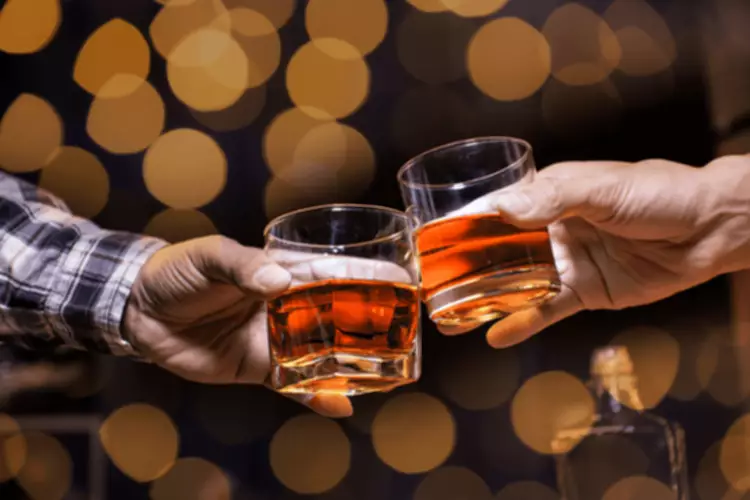
They break down food into the basic macro- and micronutrients that are absorbed and used by the body. Intake of alcoholic beverages can also inhibit proper digestive function. However, the effects of alcohol surpass even social drinking etiquette. The primary role of your liver is to act as the “filter” for any foreign substances that enter your body, such as drugs and alcohol. The liver also plays a role in the metabolism of fats, carbohydrates, and proteins.
- Over the long term, drinking beer regularly but moderately in portions of less than 17 oz (500 ml) per day doesn’t seem to lead to an increase in body weight or belly fat (7, 8).
- This decrease in activity can gain weight, as you’re not burning off the extra calories.
- The body’s metabolic processes may need time to adjust to the absence of alcohol.
- To date, the evidence suggests that alcohol does not appear to increase appetite through the action of peptide YY (PYY), ghrelin, gastric inhibitory peptide (GIP), or cholecystokinin (CCK) 57–61.
- Still, the researchers noted that reducing alcohol intake led to less impulsivity, like overeating.
- The MEOS is induced through chronic alcohol intake, and the level of induction increases with increased intake,” they wrote.
However, no such research has been done on humans and thus the same may not occur with you. Establishing clear limits on alcohol intake is essential for successful weight management. Familiarize yourself with standard drink sizes and set a maximum number for a given occasion. This proactive approach aids in controlling calorie intake and minimizes the risk of overconsumption.